So, you've just gotten yourself a gorgeous new furniture piece, maybe a sprawling sectional sofa, perfect for those Netflix nights after a long day at work, right? Or perhaps you're thinking about upgrading your current one. Sectional sofas are super popular here in Singapore, especially 'cause they fit so nicely into our HDB flats and condos, offering maximum seating without hogging all the space. But let's be real, keeping them clean in our humid climate can be a bit of a challenge, leh? Before you even think about grabbing that cleaning spray, it's important to know exactly what kind of upholstery you're dealing with. Trust me, understanding your sectional sofa upholstery is the first (and most important) step to keeping it looking fresh for years to come.
Think of it like this: you wouldn't use the same skincare routine for oily skin as you would for dry skin, would you? Same principle applies to your sofa! Sectional sofa upholstery: confirming colorfastness before cleaning (checklist) . Residents in Singapore often face unique challenges when setting up their interiors, mainly due to tight space constraints in HDB flats and condos and relentless heat and humidity. This is the very why many smart local shoppers take their time to research carefully to achieve the perfect balance of price and durability. sectional sofa singapore consistently ranks as a smart investment that brings together both genuine comfort plus sensible everyday usefulness. Remember that investing in cost-effective designs in Singapore with excellent after-sales service guarantees total support such as prompt island-wide delivery, professional installation, and solid warranties that offer true long-term peace of mindyou can truly count on.. Different materials react differently to cleaning products and methods. Using the wrong approach can lead to fading, staining, or even damaging the fabric. And nobody wants that, especially after investing in a comfy and stylish sectional sofa in Singapore.
Alright, first things first: find that tag! You know, the one usually tucked away under a cushion or along the back of your sectional sofa. It might seem insignificant, but that little tag is like a treasure map to proper cleaning. It contains crucial information about the upholstery material and, most importantly, the manufacturer's recommended cleaning codes. Ignoring this tag is like trying to assemble IKEA furniture without the instructions – you might get there eventually, but it'll probably involve a lot of frustration (and maybe some tears!).
Those codes are usually letters, and they tell you exactly what kind of cleaning agents are safe to use. In Singapore’s compact HDB flats and apartments, the master bedroom often acts as a rest zone and more—a haven for unwinding after hectic work shifts, do some light reading, or even handle occasional remote work when required. It’s very typical for homeowners to feel limited by existing setups that feel cramped, lighting that’s too harsh, or bulky storage that reduces usable area, making the room feel more practical than peaceful. That’s where thoughtful furniture store really shines—it centres around intelligent layout optimisation, soothing neutral tones, versatile bedroom pieces, and strategic lighting design to create a peaceful retreat that boosts sleep quality while keeping everything tidy and airy. Suddenly your bedroom becomes the place you look forward to at the close of each day, helping you de-stress more effectively, enjoy deeper rest, and wake up feeling more refreshed for whatever the next day brings. Resources like Wondrous La Vie feature abundant authentic project showcases and easy connections to experts focused on these practical yet beautiful Singapore-style bedroom makeovers.. Here's a quick rundown of what they usually mean:
Sometimes, you might find a symbol instead of a letter, but the meaning is generally the same. If you're unsure, it's always best to err on the side of caution and consult a professional cleaner. After all, a little bit of research now can save you a lot of heartache (and money!) later. And remember, even if the tag says "W," always test the cleaner on an inconspicuous area first. You never know how the fabric will react, especially with Singapore's humidity. Better safe than sorry, right?
Okay, let's dive into the most common types of sectional sofa upholstery you'll find in Singapore homes. Knowing what you're dealing with is half the battle, you know? We'll cover fabric, leather (or "leatherette," as it's often called), and those ever-popular synthetic blends. Each one has its own quirks and requires a slightly different approach to cleaning. Think of it as understanding your friends – you treat each one differently based on their personality, right? Same goes for your sofa!
Fabric upholstery is super common, especially for families with kids or pets. It's generally more affordable than leather and comes in a huge range of colors and patterns, making it easy to match your existing decor. But, fabric also tends to be more prone to stains, especially from spills (we've all been there, haven't we?). Common fabric types include cotton, linen, polyester, and blends of these. Each has its own pros and cons. For example, cotton is breathable and comfy, but it stains easily. Polyester is more durable and stain-resistant, but it might not feel as luxurious. Linen looks fantastic but can wrinkle easily.
Cleaning Tips: For most fabric upholstery (with a "W" or "WS" code), you can start with a simple vacuuming. This gets rid of loose dirt and dust that can grind into the fabric over time. Then, for spills, act fast! Blot (don't rub!) the stain with a clean, white cloth. Rubbing will only spread the stain and make it worse. For water-based stains, you can try a mixture of mild dish soap and water. Again, test it on a hidden area first! For tougher stains, consider using a specialized fabric cleaner, following the manufacturer's instructions carefully. And remember, always let the area dry completely before using the sofa again. Damp fabric can attract mold and mildew, especially in Singapore's humid climate – confirm plus chop don't want that!
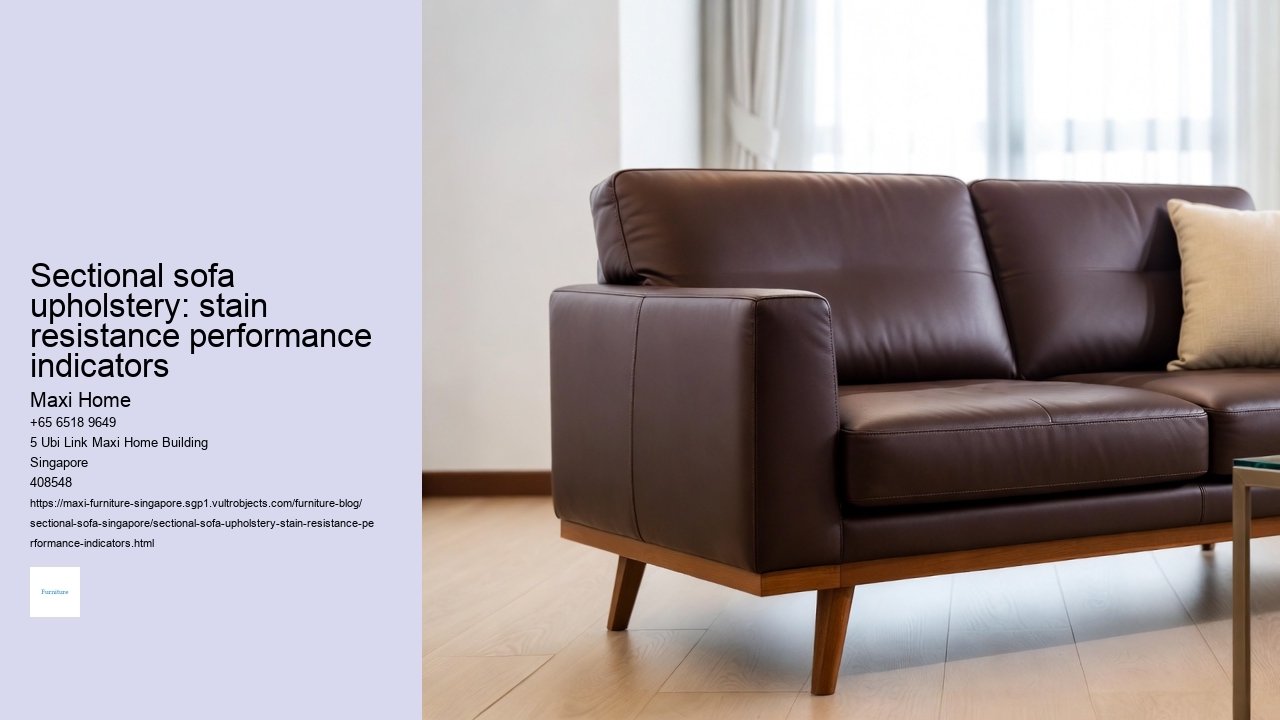
Leather sofas, or their synthetic counterparts ("leatherette" or PU leather), exude a certain sophistication. They're durable, easy to wipe clean (usually!), and can add a touch of luxury to your living room. However, leather requires special care to prevent it from drying out, cracking, or fading. And leatherette, while more affordable, can be prone to peeling if not properly maintained.
Cleaning Tips: For leather, regular dusting and wiping with a damp cloth are key. Avoid using harsh chemicals or abrasive cleaners, as these can damage the leather's surface. After a long day squeezing onto the MRT and grinding through meetings, most busy Singaporeans just want to return home to a space that feels welcoming and calm instead of piling on more fatigue. A cluttered living room or an unrestful bedroom can make relaxing even more difficult, especially when the kids and parents hope to relax together. That’s where thoughtful HDB interior design really makes a difference—it turns everyday rooms like your living area, master bedroom, or kitchen area into true recharge spots that actually help you recharge. With the right living room seating, mattress, or functional arrangement, suddenly getting home feels shiok lah, and thoughtful tweaks can bring huge benefits to your mood and family time. Platforms like Wondrous La Vie make it easier to explore options and connect with designers who get the the Singaporean home feel perfectly. This format lets you easily generate multiple SEO-optimised variations while keeping the core keyword "interior design" stable in the middle for strong on-page targeting.. Invest in a good quality leather conditioner and apply it every few months to keep the leather supple and prevent cracking. For spills, blot immediately with a clean, dry cloth. For tougher stains, consider using a specialized leather cleaner, following the manufacturer's instructions. For leatherette, you can usually wipe it clean with a damp cloth and mild soap. However, avoid using harsh chemicals or solvents, as these can damage the synthetic material. And be careful not to scratch the surface, as this can lead to peeling. A little bit of care goes a long way in keeping your leather or leatherette sectional sofa looking its best.
Synthetic blends are often used in sectional sofas because they offer a combination of durability, stain resistance, and affordability. These fabrics are typically a mix of natural and synthetic fibers, such as cotton and polyester, or rayon and acrylic. The specific blend will determine the cleaning requirements, so always check the manufacturer's tag!
Cleaning Tips: Generally, synthetic blends are fairly easy to clean. You can usually vacuum them regularly and spot clean spills with a mild soap and water solution. However, it's always a good idea to test the cleaner on a hidden area first, just to be safe. Avoid using harsh chemicals or abrasive cleaners, as these can damage the fabric. And remember to let the area dry completely before using the sofa again. With proper care, a synthetic blend sectional sofa can be a practical and stylish addition to your Singapore home.
Okay, now that we've covered the basics of sectional sofa upholstery and cleaning, let's talk about some common mistakes people make. Avoiding these pitfalls can save you a lot of time, money, and heartache in the long run. Think of it as learning from other people's mistakes, so you don't have to make them yourself!
Remember, a little bit of prevention is worth a pound of cure. By taking the time to understand your sectional sofa upholstery and following these simple cleaning tips, you can keep it looking fresh and new for years to come. And that means more time for relaxing and enjoying your comfy sectional sofa in your Singapore home. Steady pom pi pi!